History
A thousand years of trade and exchange.
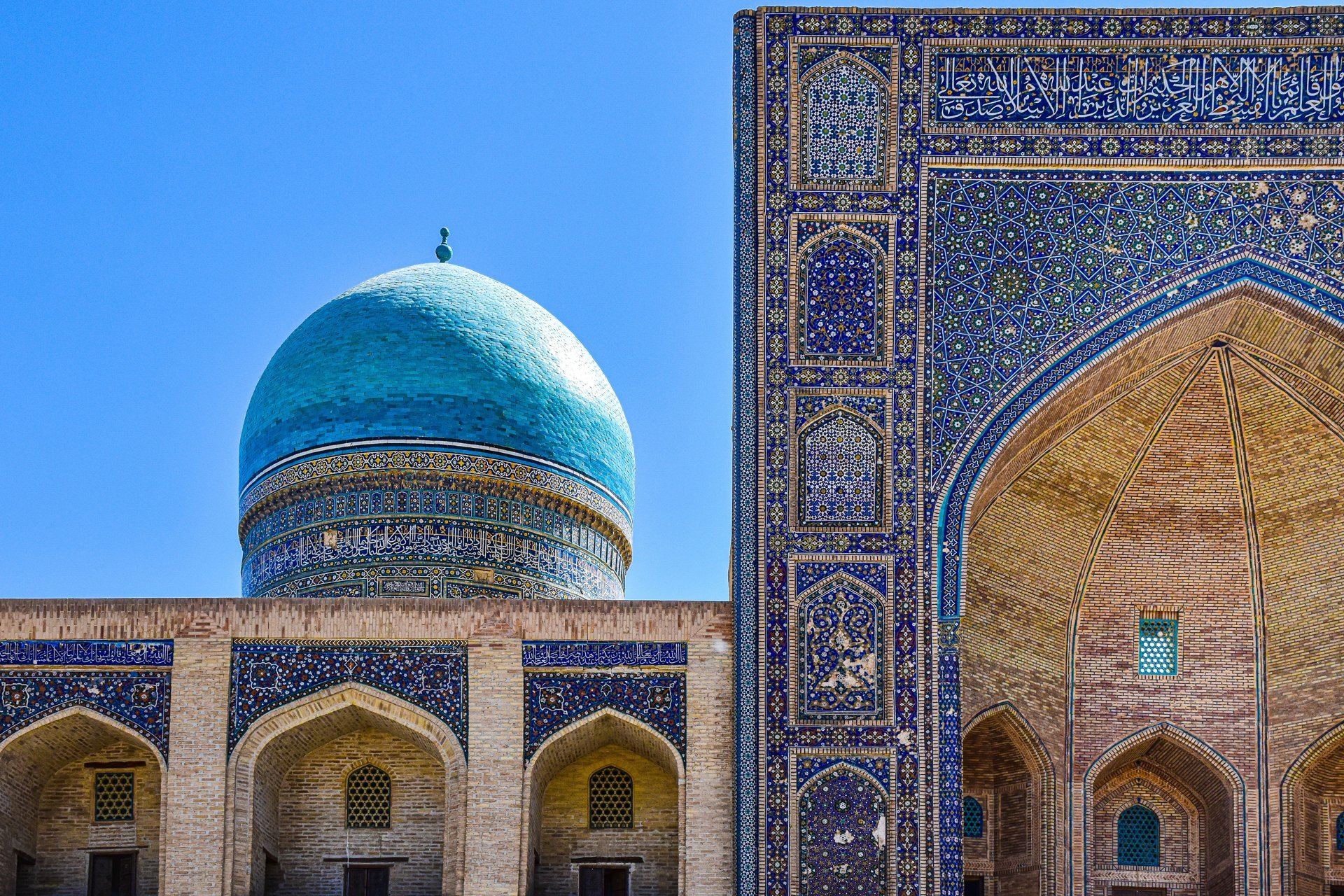
The Silk Road, Amir Timur and the great cities of Samarkand, Bukhara and Khiva, and why that commercial heritage still shapes how business is done today.
Explore this sectionUzbekistan
Central Asia's most populous country is rewriting its economic settlement: privatising state assets, opening its capital markets and courting foreign capital. Understanding it requires presence, not proximity.
History
The Silk Road, Amir Timur and the great cities of Samarkand, Bukhara and Khiva, and why that commercial heritage still shapes how business is done today.
Explore this section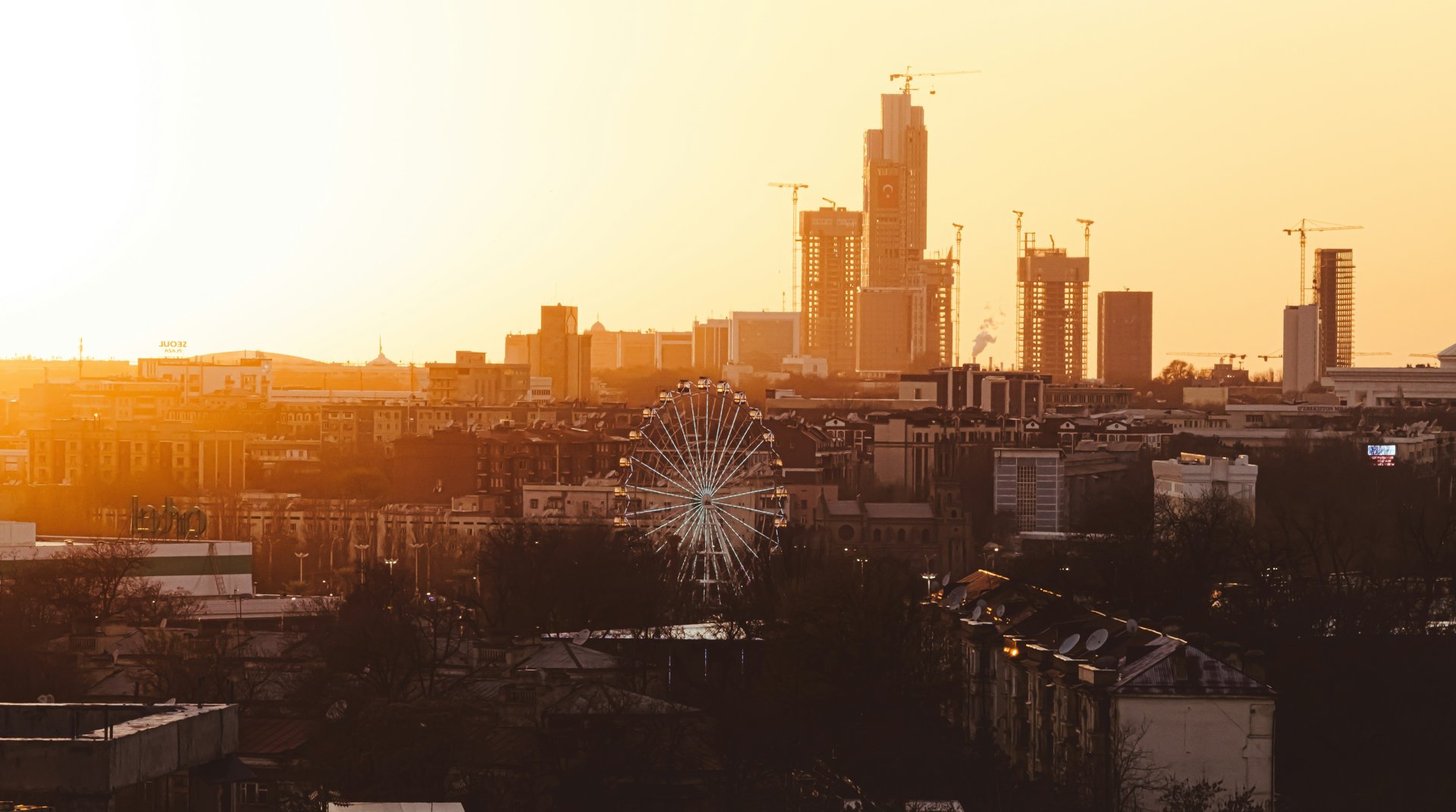
Uzbekistan today
Around 37 million people, real GDP growth of approximately 7.7% in 2025, WTO accession under negotiation and market-oriented reform across the state sector.
Explore this section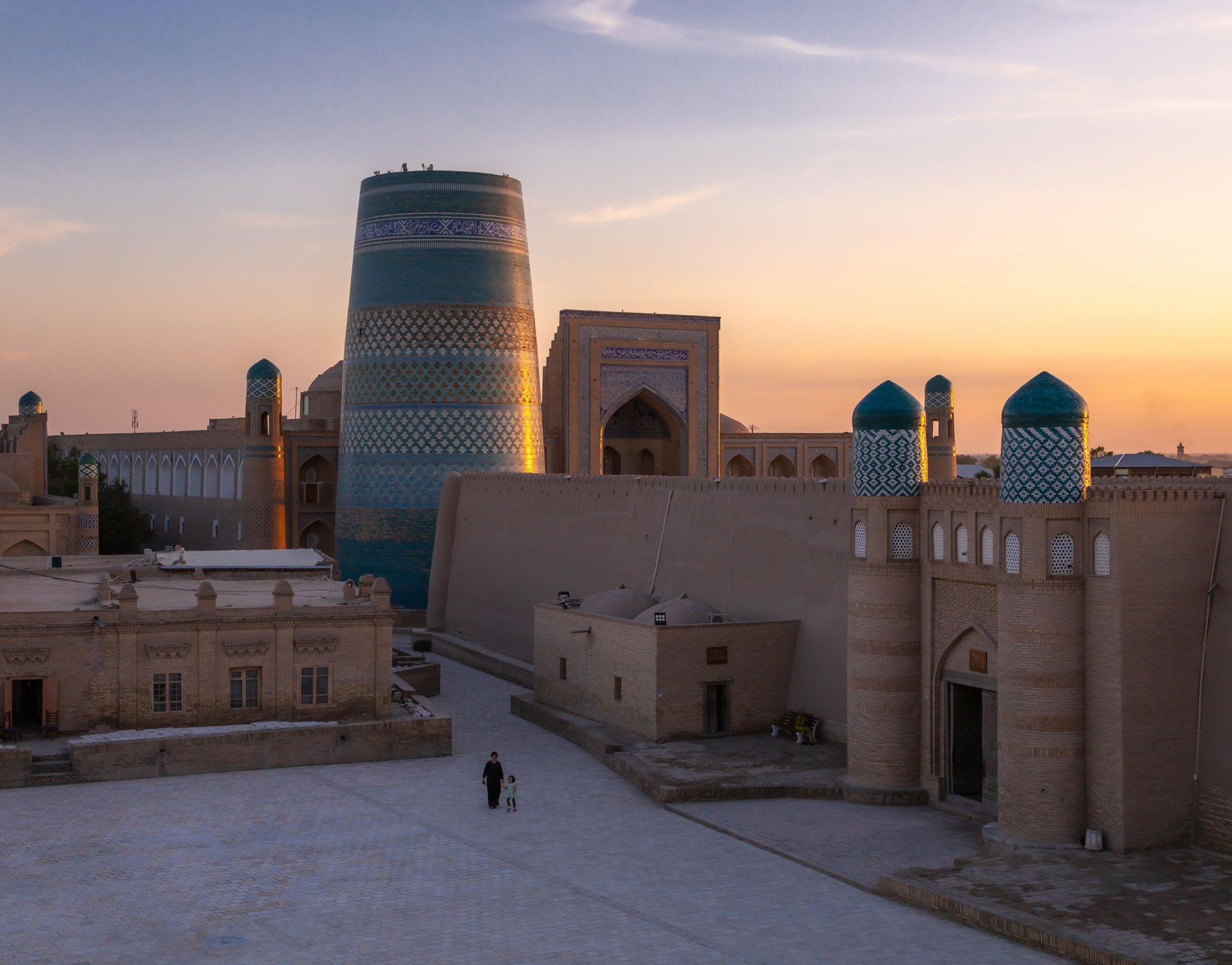
Investor incentives
The IT Park regime, investor residence routes, the 2025-2027 privatisation programme and the special economic zones, what they offer and what they require.
Explore this sectionUzbekistan is a global mining power. It is home to Muruntau, one of the world's largest open-pit gold mines, operated by Navoi Mining & Metallurgical Combinat, roughly two million ounces of gold a year, with reserves estimated above 170 million ounces. Almalyk (AGMK) is Central Asia's largest copper producer, at around 148,000 tonnes of copper a year plus significant silver and molybdenum. The country is also among the world's top-five uranium producers through Navoiyuran. Gold, copper and uranium form the backbone of the privatisation pipeline and of the country's export earnings.
Key takeaway
The opportunity is timing: world-class assets long closed to outside capital are now entering the privatisation pipeline.
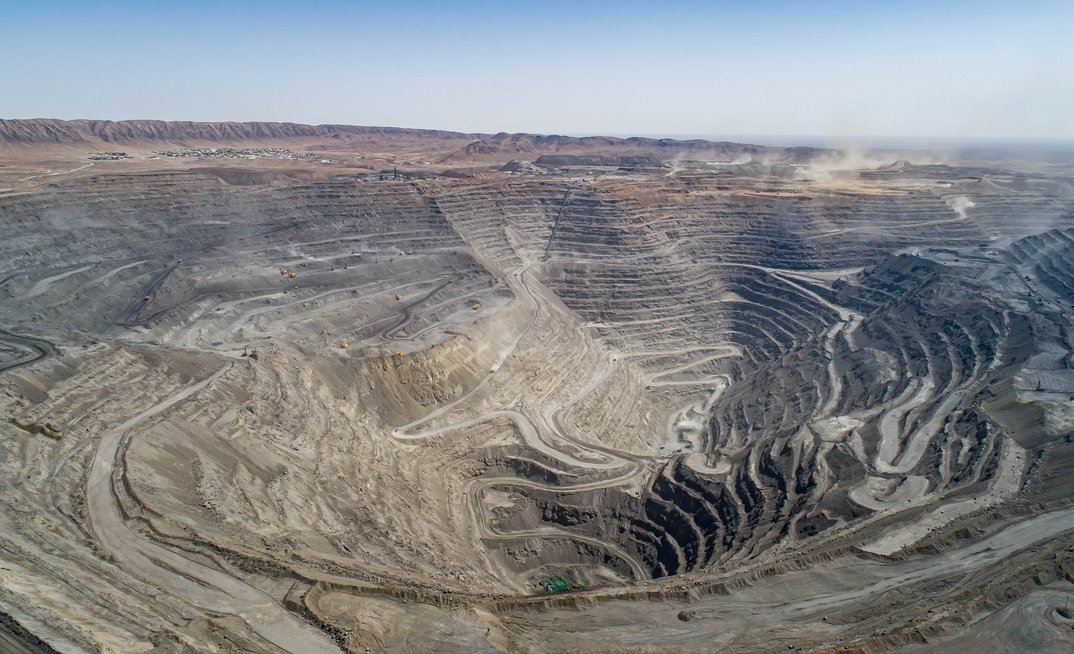
Muruntau, the world's largest open-pit gold mine. Credits: NMMC
A wave of state-bank privatisations is redrawing a sector long dominated by public ownership, while Uzbekistan has become one of Central Asia's fastest-growing fintech and digital-banking markets. The capital market is young but building its first institutional depth, sovereign and corporate issuance, a functioning exchange and gradual opening to international investors.
Key takeaway
A rare alignment: an underbanked population, a fast digital leapfrog, and state banks changing hands at the same time.
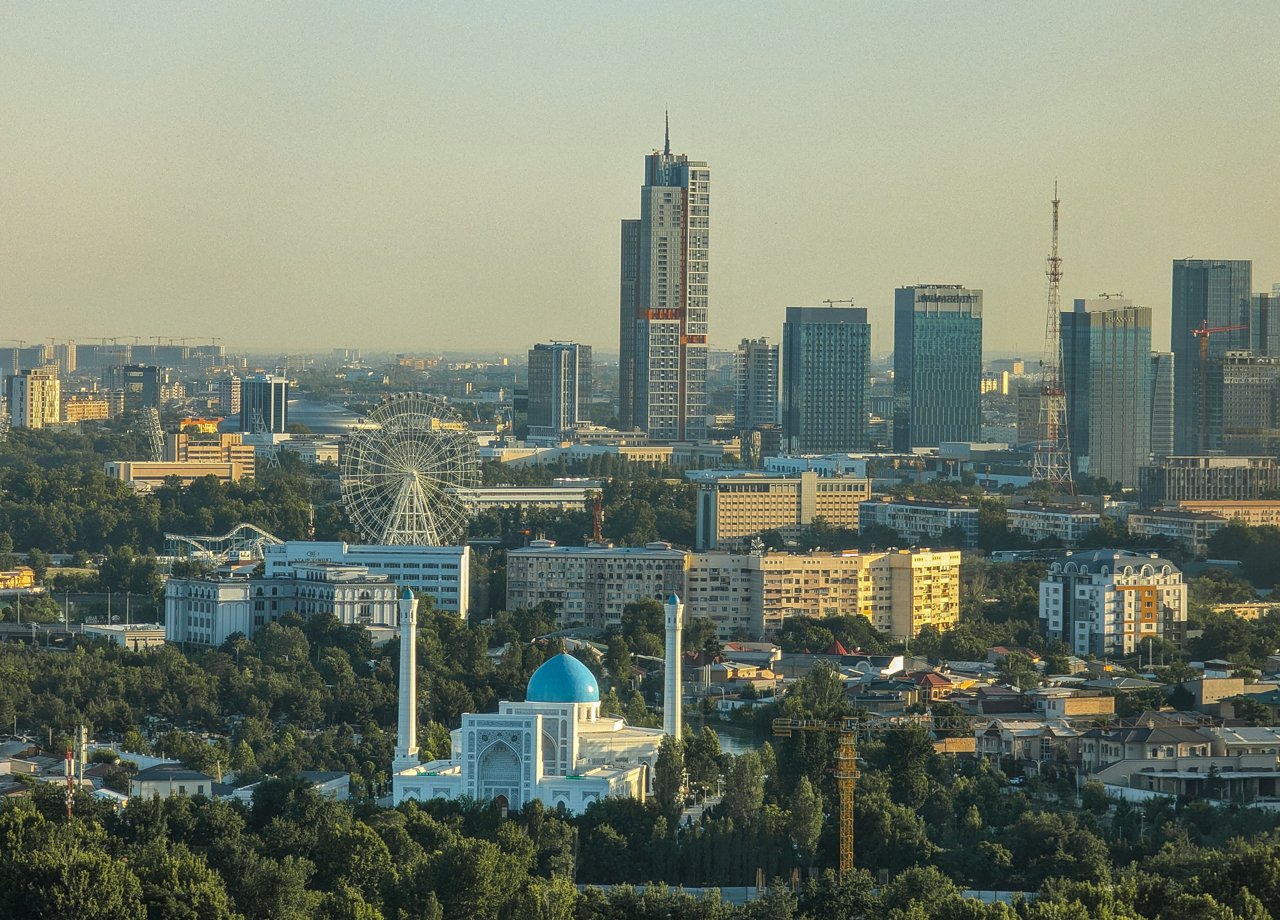
Tashkent, with the Minor Mosque and the Tashkent City towers
Uzbekistan is a top-ten cotton producer, at around 600,000 tonnes a year, and the world's second-largest cotton exporter. The industry is moving up the chain into higher-value textiles, helped by GSP+ duty-free access to the European Union. Low-cost gas underpins a competitive nitrogen-fertilizer base and emerging green-ammonia projects.
Key takeaway
The value is moving downstream, from raw exporter to higher-margin processor, and so is the investment case.
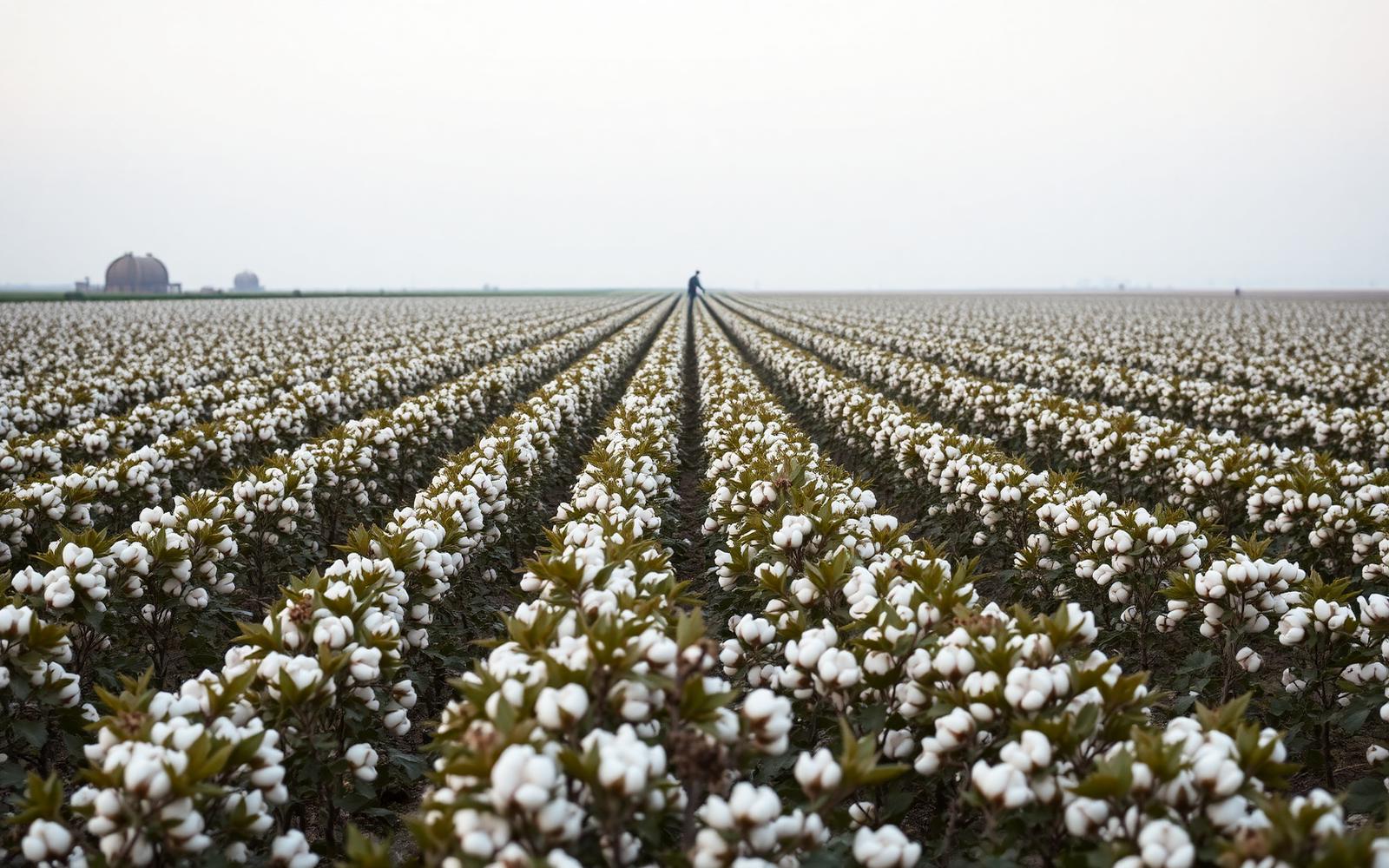
Agro-industry
Data centres and AI capacity have become a policy priority. A preferential power tariff of around 5 cents per kilowatt-hour, tax incentives and multi-billion-dollar investment commitments are targeting hyperscale capacity across Tashkent and Karakalpakstan, alongside the IT Park regime for software and services.
Key takeaway
Low-cost power and clear government priority are making Uzbekistan a genuine contender for regional data-centre and AI capacity.

Digital infrastructure
World Bank country data; IMF Article IV consultations; OECD reviews of Uzbekistan; Uzbekistan Statistics Agency; World Nuclear Association; United States Geological Survey (USGS).
Data as of 2026, sources: World Bank, IMF, OECD, Uzbekistan Statistics Agency, World Nuclear Association, USGS.
A confidential, structured first conversation on your objectives in Uzbekistan and how we would approach them.